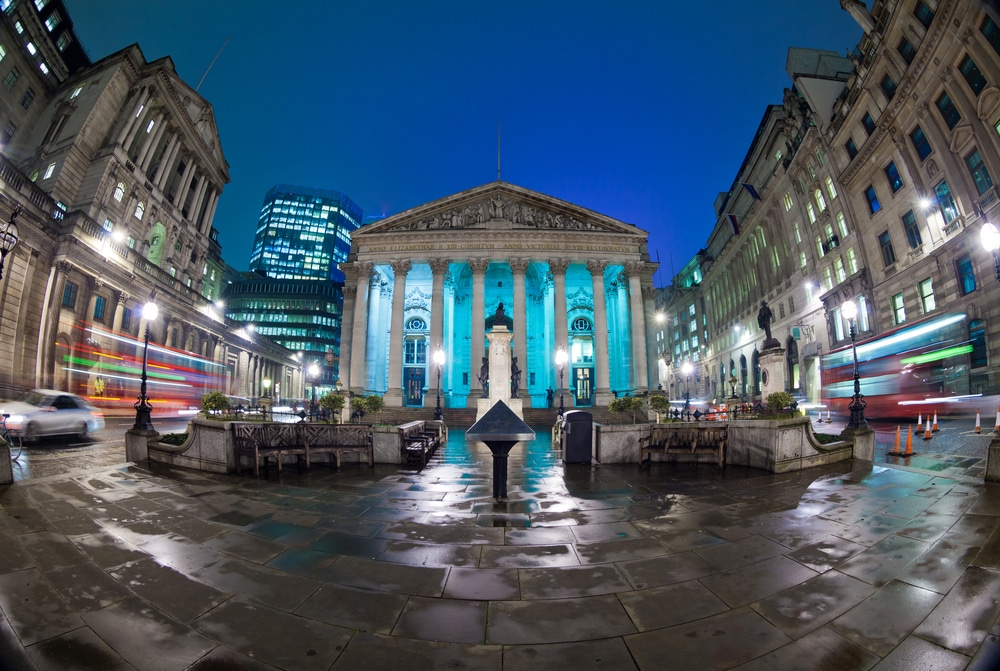
The Bank of England‘s decision to lift interest rates for only the second time in a decade has received a mixed reaction… and worse.
The rate has risen by a quarter of a percentage point, from 0.5 per cent to 0.75 per cent – the highest since March 2009.
Mark Carney, BoE governor, says there will be further “gradual” and “limited” rate rises down the line.
Stark warning
So it was interesting to read this article in Accountancy Daily, which came before the Bank’s decision. But it still holds good now.
It said: “A leading accountant has issued a stark warning that an interest rate rise will leave the Bank of England ‘with blood on its hands’ as more people struggle to cope with financial difficulties.”
The hard hitting message is from David Birne, insolvency partner at chartered accountants HW Fisher. He says the hike will only make matters worse for those already struggling.
The number of personal insolvencies has soared to a six-year high in the three months to June, according to the Office for National Statistics.
Benefits cuts and high wages
High inflation, low wage rises and benefit cuts are the reasons why.
Individual insolvencies totalled 28,951 in the second quarter, a rise of 4.4 per cent on the previous quarter and 27.3 per cent on the same period last year.
Individual voluntary arrangements
A record number of people taking out individual voluntary arrangements (IVAs), where debtors agree to repay creditors some or all of what they owe.
Stuart Frith, of the insolvency trade body R3, says: “Although unemployment is low, there are more people earning variable amounts in the gig economy, which can make budgeting difficult.
David Birne adds: “This is a stark reminder of how many Britons are in the firing line. The Bank of England’s rate-setting grandees are determined to return interest rates to more normal levels, sooner or later. But it’s looking increasingly unlikely that they will be able to do so without getting blood on their hands.
Tip some firms over the edge
‘The number of people slipping into insolvency is up by more than a quarter on this time last year.”
He says company insolvencies have fallen, but a rate rise could tip some firms over the edge.
“High profile failures of high street brands like Poundworld may grab the headlines, but there are more livelihoods at stake among the thousands of smaller retailers and builders who are steadily being driven to the wall,’ he says.
“At particular risk are Britain’s zombie companies – the weak businesses being kept afloat solely by rock bottom interest rates – who could be tipped over the edge when interest rates begin rising again.”